
Enhancing Food Quality Inspection: The Importance of Food Safety Inspection Systems
When selecting inspection equipment for your food production line, you might ask: How can I ensure the highest level of product safety and quality while optimizing operational efficiency? The answer lies in understanding the critical role of advanced food quality inspection technologies and how they integrate into your production environment.
Why Food Quality Inspection Matters in Modern Food Production
Food quality inspection is a cornerstone of food manufacturing. It safeguards consumer health, protects brand reputation, and ensures compliance with international regulations. In an era where global supply chains and consumer expectations are more demanding than ever, relying on robust inspection systems is not optional but essential.
Food quality inspection involves detecting contaminants such as metal fragments, glass shards, stones, and plastic pieces, as well as verifying product integrity, weight, and packaging correctness. These inspections prevent costly recalls, reduce waste, and maintain consistent product standards.
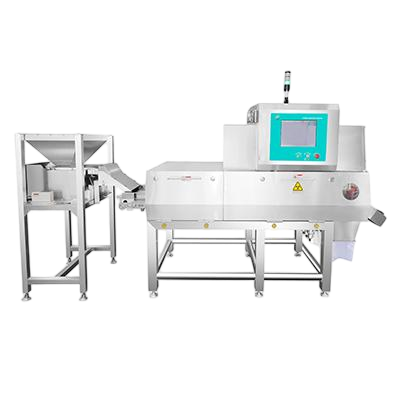
For example, an X-ray inspection system can identify foreign objects invisible to the naked eye, while a conveyor metal detector efficiently screens for ferrous and non-ferrous metals. Combining these technologies with checkweighers ensures that every product meets weight specifications, reducing underfills or overfills that can affect profitability and compliance.

Key Technologies in Food Quality Inspection
Understanding the capabilities and limitations of different inspection technologies helps in selecting the right equipment for your specific application. Here’s a practical comparison of the main inspection systems used in food manufacturing:
X-ray Inspection Systems
Functionality: Detects dense foreign objects such as metal, glass, stone, and bone fragments inside packaged or unpackaged products.
Advantages: Can inspect sealed packages, identify product defects like missing pieces or broken items, and verify fill levels.
Limitations: Higher initial investment and requires trained operators for optimal use.
Conveyor Metal Detectors
Functionality: Detects ferrous, non-ferrous, and stainless steel contaminants in food products on a conveyor belt.
Advantages: Cost-effective, fast, and reliable for metal detection.
Limitations: Cannot detect non-metallic contaminants and is sensitive to product effect (moisture, salt content).
Industrial Checkweighers
Functionality: Measures product weight to ensure compliance with packaging regulations and customer specifications.
Advantages: Reduces giveaway and product underweight risks, improves production efficiency.
Limitations: Does not detect contaminants or product defects.
Combination Inspection Systems
Functionality: Integrates multiple inspection technologies (e.g., X-ray + checkweigher) into a single system.
Advantages: Saves space, reduces installation costs, and provides comprehensive inspection.
Limitations: Complexity may require more maintenance and operator training.
Selecting the right technology depends on product type, packaging, production speed, and contamination risks. For instance, frozen foods with bone fragments benefit from X-ray inspection, while dry snacks may only require metal detection.
Practical Considerations for Implementing Food Quality Inspection
Implementing inspection systems requires careful planning and understanding of operational conditions. Here are practical steps to prepare for a successful project:
Assess Contaminant Risks
Identify the types of contaminants most likely to occur in your product line. This assessment guides technology choice and system configuration.
Evaluate Product Characteristics
Consider product density, packaging materials, and moisture content, as these factors affect inspection sensitivity.
Define Production Parameters
Understand line speed, product size, and throughput requirements to select equipment that matches your operational needs.
Plan Integration and Layout
Ensure the inspection system fits seamlessly into your existing production line, considering space, power supply, and accessibility for maintenance.
Train Operators and Maintenance Staff
Proper training maximizes system performance and minimizes downtime.
Establish Data Management Protocols
Use inspection data for quality control, traceability, and continuous improvement.

Checklist for Selecting Food Quality Inspection Equipment
To streamline your decision-making process, use this checklist when evaluating inspection systems:
[ ] Have you identified the primary contaminants to detect?
[ ] Does the technology suit your product type and packaging?
[ ] Can the system handle your production speed and volume?
[ ] Is the equipment compliant with relevant food safety standards?
[ ] Are integration and installation requirements feasible within your facility?
[ ] Is operator training and technical support available?
[ ] Does the system provide data output compatible with your quality management system?
[ ] Have you considered future scalability and upgrades?
This checklist helps ensure that your investment aligns with both current and future operational goals.
Leveraging Advanced Inspection Systems for Competitive Advantage
Incorporating advanced inspection technologies not only mitigates risks but also enhances operational efficiency and product quality. For example, combining X-ray inspection with automated reject mechanisms reduces manual intervention and speeds up production. Additionally, integrating inspection data with enterprise resource planning (ERP) systems supports real-time quality monitoring and traceability.
By choosing reliable and proven solutions, you build a foundation of trust with your customers and partners. This trust is critical in international markets where regulatory scrutiny and consumer awareness are high.
For those seeking to optimize their inspection processes, exploring the latest innovations in food safety inspection systems can provide valuable insights and solutions tailored to complex production environments.
Building Long-Term Food Safety and Quality Assurance
Investing in robust food quality inspection is a strategic decision that pays dividends in product safety, regulatory compliance, and brand integrity. By understanding the technologies available, preparing thoroughly for implementation, and continuously monitoring inspection performance, manufacturers can reduce risks and improve operational outcomes.
The journey to superior food quality inspection is ongoing. Staying informed about emerging technologies and industry best practices ensures your production line remains resilient and competitive in a demanding global marketplace.
Comments